The Inheritance of Water: Why River Frontage Is Becoming the Ultimate Multigenerational Asset
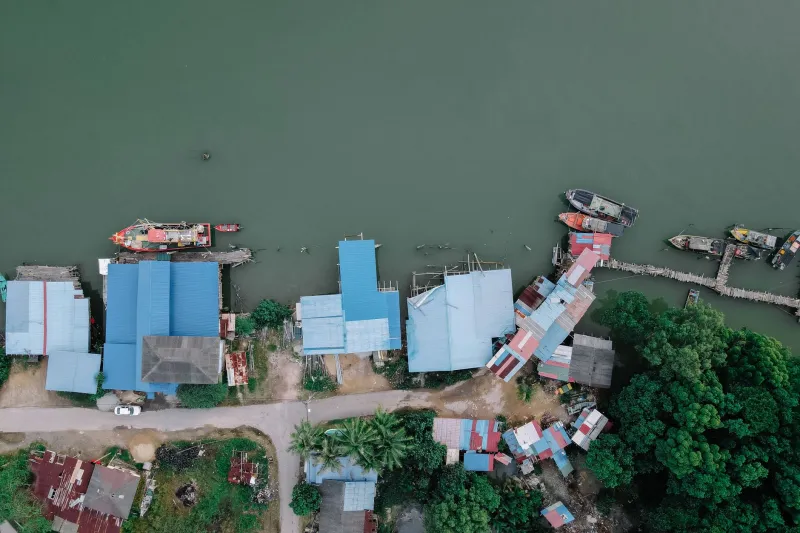
There is a quiet shift underway in how substantial American families think about waterfront property. For decades, the oceanfront estate was the trophy — and, increasingly, the burden. Rising insurance costs, coastal erosion, and hurricane exposure have turned many beach compounds into liabilities wrapped in sentiment. The river, meanwhile, has been quietly assembling a better case for permanence.
We believe river frontage is now the most structurally sound asset a family can hold across generations. Here is why — and what families assembling these estates should get right.
Scarcity That Doesn't Erode
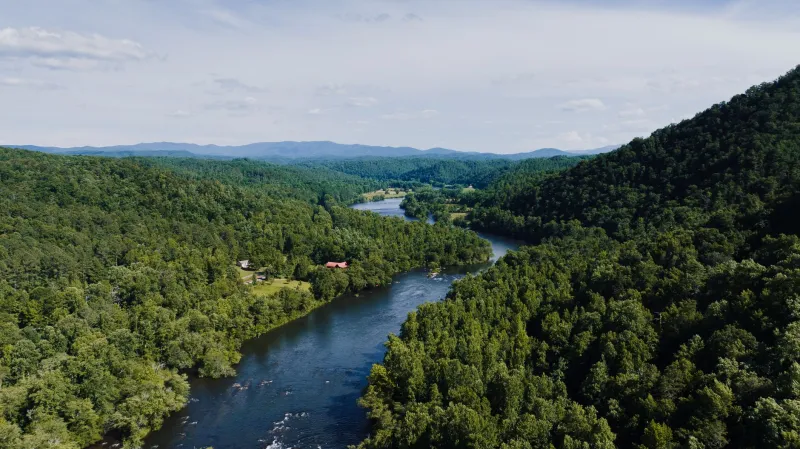
Ocean beaches retreat. Riverbanks, properly managed, hold. More importantly, the supply of private river frontage in desirable American corridors — the Roaring Fork, the Snake, the French Broad, the upper Hudson — is fixed and shrinking in practical terms as conservation easements and zoning lock parcels into permanence. A family that acquires frontage today is acquiring something that cannot be replicated at any price in thirty years. That is the raw material of legacy wealth.
An Emotional Pull That Outlasts a Market Cycle
Financial advisors talk about assets that survive the second generation's indifference. Rivers have an unusual answer to this problem: childhood. The swimming hole a grandchild learns to dive in, the dock where siblings fish at dusk, the bend in the current that marks every annual gathering — these are attachments that no ski chalet or city penthouse reliably replicates. Families report that riverside compounds are the properties heirs fight to keep, not to sell.
The Compound Model
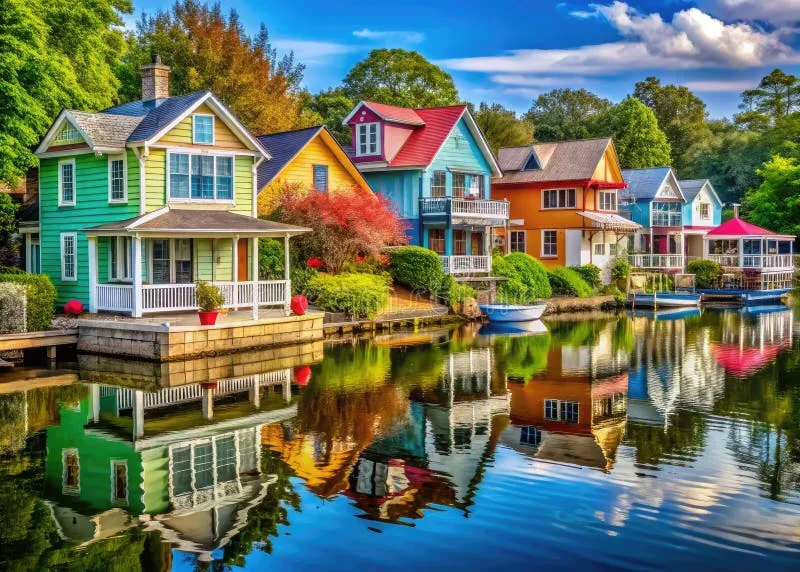
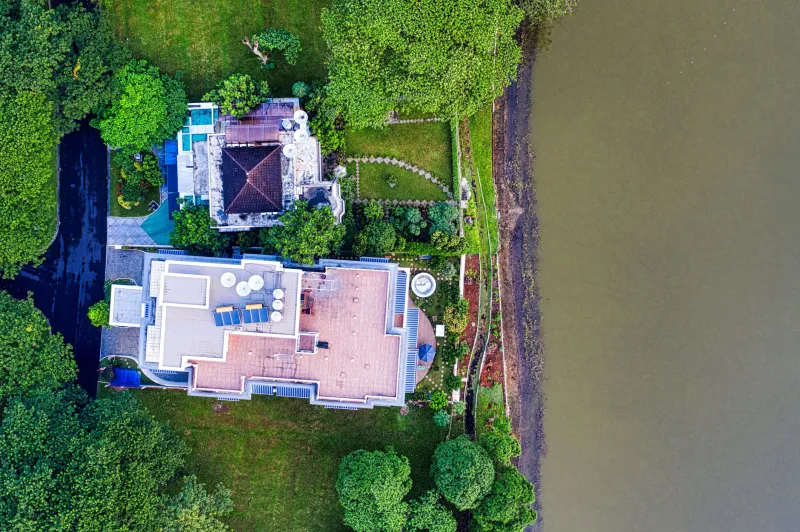
The emerging template looks less like a single residence and more like a small, well-designed settlement: a primary lodge, two or three guest cottages for adult children and their families, a shared dock and boathouse, and generous common outdoor space oriented to the water. Crucially, the cottages allow simultaneous use without friction — the multigenerational failure mode of most family homes.
Structure Before Sentiment
The families who succeed at this treat governance as seriously as architecture. The essential tools:
- Ownership vehicles. Limited liability companies or dynasty trusts holding the property allow fractional interests to pass cleanly, avoid forced sales, and in some jurisdictions provide meaningful estate tax advantages.
- Family use agreements. A written — and periodically revised — calendar and cost-sharing protocol prevents the summer scheduling disputes that quietly dissolve family compounds.
- Dedicated maintenance funding. A funded reserve, held within the ownership entity, ensures docks, septic systems, and shorelines are maintained by the asset, not by whichever sibling happens to have liquidity that year.
- Exit provisions. Paradoxically, clear buyout terms for heirs who want out are what keep the rest in.
The Long View
A riverside compound is not the highest-yielding asset a family can buy, and it should not be evaluated as one. It is something rarer: a place where the balance sheet and the family's shared memory occupy the same ground. As more high-net-worth families trade the volatility of coastal ownership for the permanence of the river, the families who structure well today will be the ones whose grandchildren are still watching the same water a century from now.
That, more than any appreciation figure, is the return.