A Year at the Water's Edge: What Riverfront Ownership Really Looks Like in Every Season
Every riverfront listing is photographed in June. The water is calm, the light is golden, and the deck practically begs for an iced drink. But a river is not a static amenity — it is a living calendar, and ownership means living inside all four of its pages.
At 226 Riverside, we counsel buyers to evaluate a property not as it appears on their tour date, but as it will behave in February, in April, in the long stillness of November. Here is what a full year at the water's edge actually looks like.
Spring: The Season of Vigilance
Spring is when rivers remind owners who is in charge. Snowmelt and seasonal rains raise water levels, and in many American river corridors — from the Delaware to the Deschutes — late March through May brings the year's highest flows.
For the prepared owner, spring is manageable and even beautiful: the river runs full and muscular, wildlife returns, and the landscape greens with a vigor no inland property can match. But preparation matters. Walk the property with an eye toward drainage, check that retaining walls and riprap survived the winter, and confirm sump pumps and French drains are functioning before the thaw, not after.
This is also the season to review flood zone designations and elevation certificates. A property's FEMA zone determines both insurance premiums and renovation flexibility, and spring is when those documents stop being abstractions.
Summer: The Reason You Bought
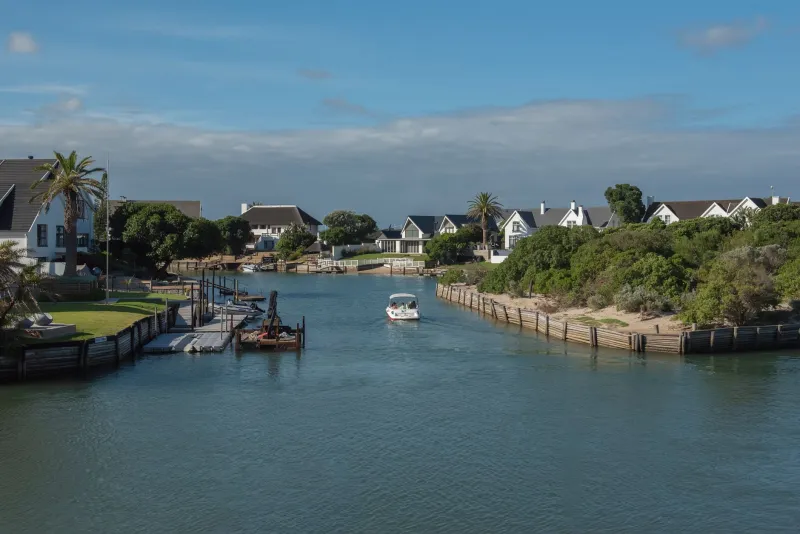
Then the water settles, and everything the brochure promised comes true. Mornings begin with mist rising off the current; afternoons belong to kayaks, paddleboards, and swimming holes; evenings end with the river turning copper under the sunset.
Summer is also the season of highest use, which means it is the season of highest wear. Docks take on traffic, outdoor furniture fades, and irrigation demands rise. Owners who schedule dock maintenance and shoreline inspections in early June — before peak usage — consistently avoid the mid-August emergency repair.
One practical note for buyers: ask any current owner how many weekends the property is actually usable for recreation. On some rivers, motorized traffic or water levels limit the window more than newcomers expect.
Autumn: The Quiet Payoff
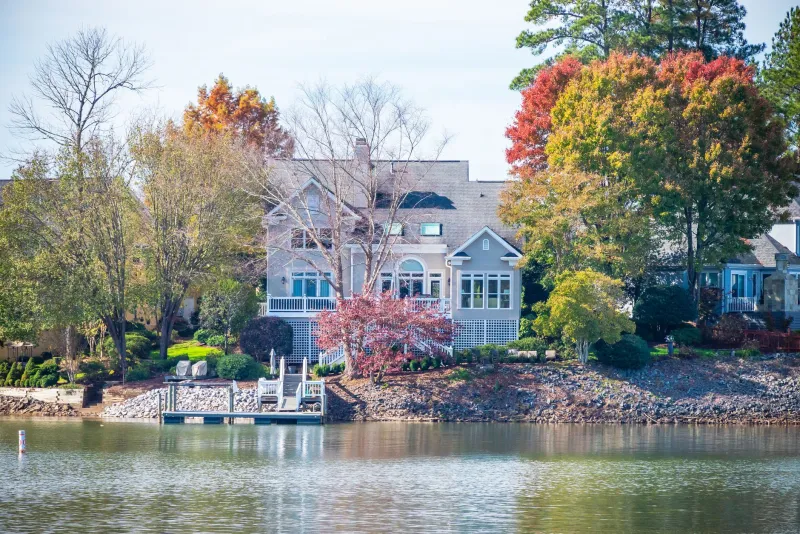
Many seasoned riverside owners will tell you fall is the best season, full stop. The crowds thin, the humidity breaks, and hardwood corridors along rivers like the Hudson, the French Broad, and the Great Miami turn into a continuous display of color reflected in moving water.
Autumn is also the natural maintenance season. Leaf removal near drainage paths, gutter clearing, dock removal or securing in freeze-prone regions, and a full property inspection before winter are the tasks that separate effortless ownership from springtime surprises. Buyers should ask which of these duties fall to an HOA, a management company, or the owner — the answer meaningfully affects the cost of ownership.
Winter: Stillness, and a Test of Design
Northern riverfront properties in winter are serene in a way few interiors can replicate — ice along the banks, snow softening the shoreline, the river running dark and quiet beneath it. But winter is also when design quality reveals itself.
Homes oriented to capture southern light, with glazing that frames the water without sacrificing thermal performance, become year-round sanctuaries. Homes that treated the river view as a summer afterthought become cold, drafty places their owners avoid. Ask about insulation values, window specifications, and how mechanical systems handle extended cold snaps.
In southern markets — think the Chattahoochee outside Atlanta or the Guadalupe in Texas Hill Country — winter is milder but brings its own considerations, including dormant landscaping and the occasional hard freeze that threatens exposed plumbing.
Planning for All Twelve Months
The buyers who are happiest with their riverfront purchase are the ones who priced in the whole year: insurance that reflects true flood risk, maintenance budgets that account for water-adjacent wear, and a home designed for February as much as July.
A riverfront property should not be a place you escape to for one season. Done right, it is a residence that offers a different — but always compelling — version of itself every ninety days. The smart buyer plans for all of them.